USMC85 · Rhétorique
Table des matières
Introduction

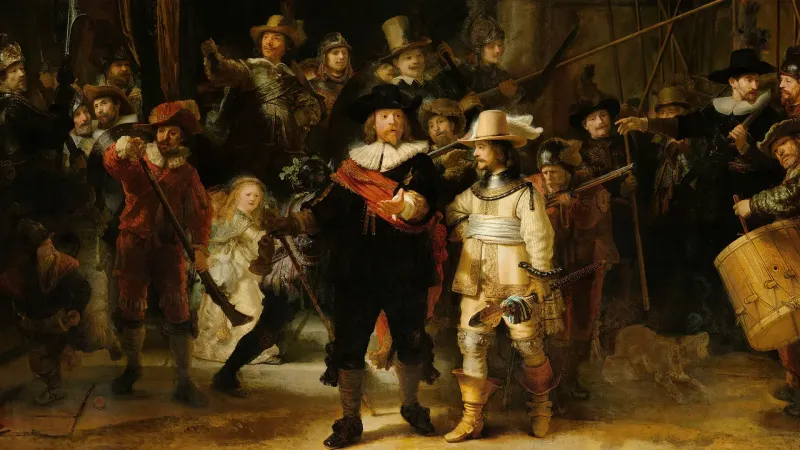
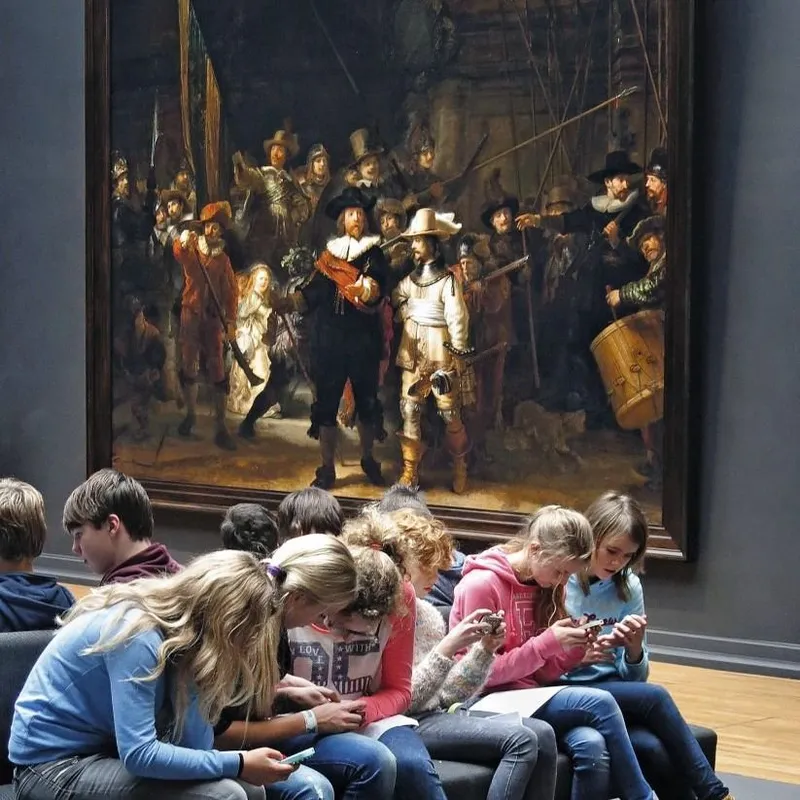
Rhetoric
The art of using language effectively.
- art?
- language?
- effectiveness?
- Where is rhetoric used?
The art of using language effectively.
- to persuade rightfully or wrongfully
- to persuade honestly or seductively
- to argue with
properstrong arguments - to counter-argument
Rhetorical triangle
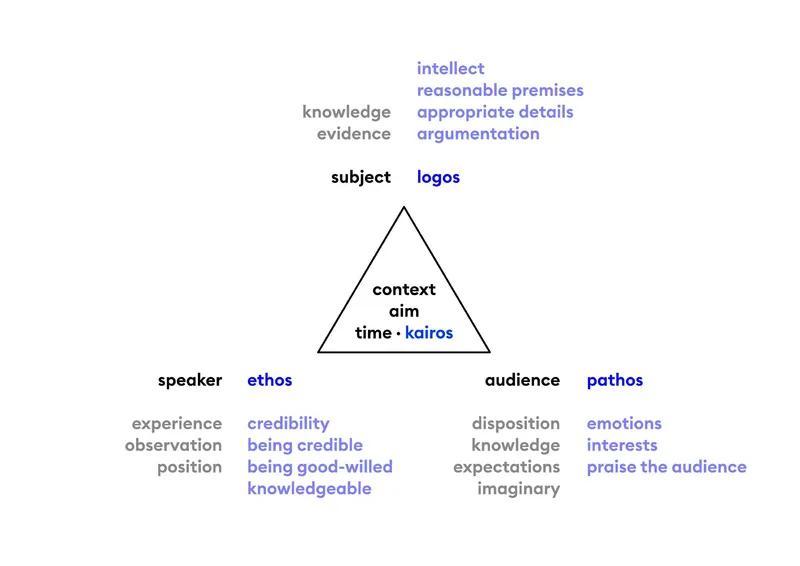
Rhetorical appeals
| logos | ethos | pathos | rhetorical appeals |
|---|---|---|---|
| intellect | credibility | emotions | aims of the speaker |
| reasonable premises | being credible | interests | |
| appropriate details | being good-willed | praise the audience | |
| argumentation | knowledgeable |
Examples
- Throughout my research, I have observed…
- It is magnificent, isn’t it? I am sure you understand.
Audience-expertise matrix
Adapt your communication based on who you’re addressing:
| Low expertise | High expertise | |
|---|---|---|
| GENERIC AUDIENCE (Public, media) | - Simple language - Analogies from everyday life - Visuals over - Avoid jargon | - Technical but accessible - Explain acronyms first use - Focus on implications - Can handle complexity |
| DECISION MAKERS (Management, clients) | - Focus on impact, ROI - Risks and benefits - Clear recommendations - Executive summary first - “What’s in it for me?” | - Technical details + business context - Trade-offs and constraints - Data-driven arguments - Justify decisions |
| PEERS (same field) | - Simplify where possible - Define terms - Show your reasoning - Invite discussion | - Technical depth OK - Jargon acceptable - Assume shared knowledge - Detailed methods welcome |
KEY QUESTION: What does this audience ALREADY KNOW, and what do they NEED to know?
Adaptation example (same content, different audiences):
- Public: “We built a system that keeps engines running safely”
- Managers: “Our monitoring system reduces maintenance costs by 30% and prevents failures”
- Peers: “We implemented a PID controller with adaptive gain scheduling to optimize thermal regulation”
Kairos
The right moment: the same argument convinces or fails depending on when, where and to whom it is delivered.
- adapt your appeal to the occasion, the audience and the context
- an argument is only as strong as its timing (a proposal is more persuasive when the need is felt)
Syllogism and enthymeme
- syllogism - a complete logical argument: all A are B, all B are C, therefore all A are C (see Logic for debate)
- enthymeme - a syllogism with a premise left implicit; the audience supplies it, and is therefore engaged
- example: “This sensor is reliable: it is calibrated to the same standard as aircraft instruments.” (implied premise: that aircraft standard guarantees reliability)
Stasis - locating the crux of the debate
Four questions to find where an argument really stands:
- fact - did it happen? does it exist?
- definition - what is it? how should we name it?
- quality - is it good or bad? just or unjust?
- action / policy - what should be done?
The Toulmin model
A practical layout of an argument - useful both to build an argument and to attack one (Toulmin, 1958). The Toulmin model shows how reasoning moves from evidence (grounds) to a conclusion (claim), supported by a warrant and strengthened by backing, qualifiers, and rebuttals.
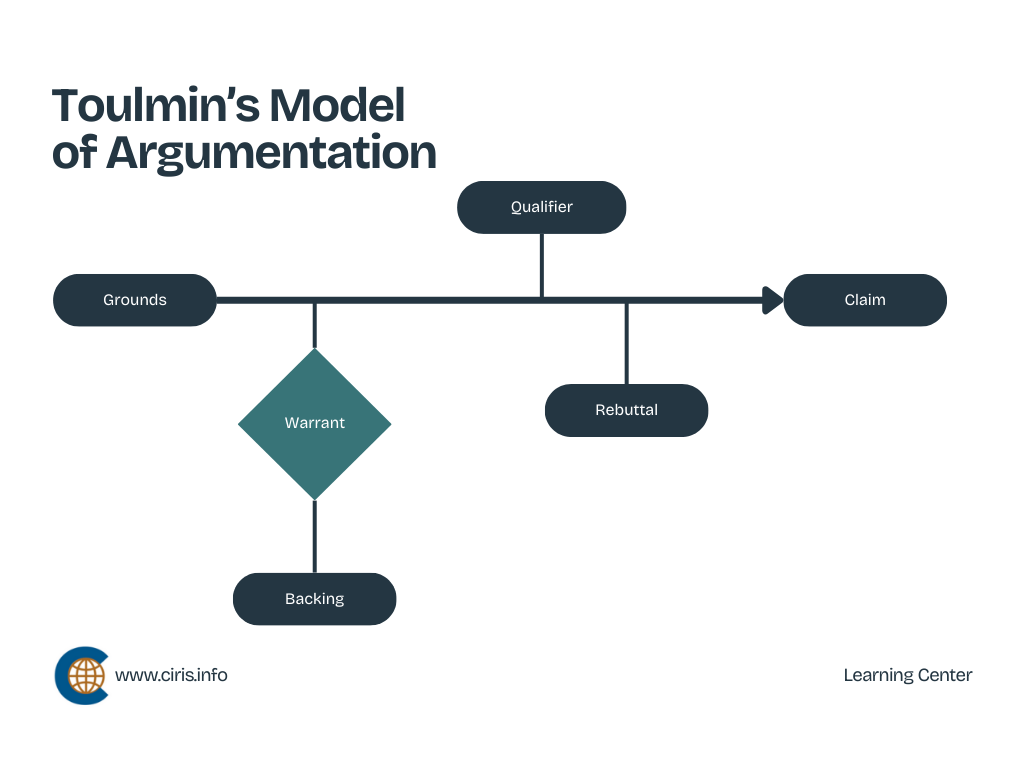
The bridge Metaphor: Think of your argument as a bridge:
- The grounds are one riverbank — the facts you start from.
- The claim is the opposite bank — where you want your reader to arrive.
- The warrant is the bridge that connects them.
- The backing strengthens the bridge’s structure.
- The qualifier shows how strong that bridge is — “probably,” “usually,” etc.
- The rebuttal is the storm that tests your bridge, and your refutation repairs it.
Example: Should I Work Out Today?
- Claim: I should work out today.
- Grounds: I’ve been sitting for hours and feel low on energy.
- Warrant: Physical activity improves energy and mood.
- Backing: Studies show even short daily workouts increase wellbeing.
- Qualifier: It’s usually better for my health to stay active.
- Rebuttal: Except when I’m exhausted or recovering from illness.
(Source: https://www.ciris.info/learningcenter/toulmins-model/)
Rhetorical canons
Canons are tools for the speaker.
- Invention - pattern for one’s purpose
- Arrangement - structure of the speech
- Style - expression of an idea - plain style | middle style | grand style
- Memory - make speech memorable
- Delivery - gesture | expression | pacing
Figures of speech
- trope - signification - metaphor | personification | litotes | rhetorical question | oxymoron
- scheme - structure - antithesis | ellipsis | chiasmus
Examples
- “It was not bad.” Are you kidding me? A little pain never hurt anyone. This was an eloquent silence.
- “You are so…” “You forget what you want to remember, and you remember what you want to forget.”
Mode of discourses
- Description - present information
- Narration - sequence of events
- Exposition - present ideas
- Argument - persuade a viewpoint
Fallacies
Rhetoric for engineers
Engineers often need to persuade non-technical audiences. Key situations:
- Defending a design choice to stakeholders who don’t understand the technical details
- Requesting budget or resources from management focused on ROI
- Explaining risks to decision-makers who want to move fast
- Presenting research to interdisciplinary teams
The expertise gap: the more you know, the harder it is to explain simply. Fight this by:
- Starting from what the audience already knows
- Using analogies from their domain (not yours)
- Focusing on impact, not implementation
- Being ready to go deeper if asked, but not volunteering complexity
Example: Instead of “We implemented a PID controller with tuned gains”, say “We built a system that automatically adjusts to keep the temperature stable, like a thermostat but more precise.”
Ethical persuasion
Rhetoric can be used to manipulate. As engineers, you have a responsibility:
- Be honest about uncertainty - don’t present guesses as facts
- Acknowledge limitations - every solution has trade-offs
- Don’t cherry-pick data - show the full picture
- Respect the audience’s intelligence - simplify without patronizing
- Admit when you’re wrong - credibility is built on honesty, not perfection
A fallacy is an often plausible argument using false or invalid inference. Common ones to recognise - and to avoid:
- ad hominem - attacking the person instead of the argument
- straw man - distorting the opponent’s position, then attacking the distortion
- false dilemma - presenting two options as the only possibilities
- slippery slope - claiming one step inevitably leads to a disastrous chain
- appeal to authority - relying on an expert outside their field of expertise
- cherry picking - selecting only the data that supports the claim
List of fallacies
References
Markel, M., & Selber, S. A. (2022). Technical communication (13th ed.). Bedford/St. Martin’s. https://www.macmillanlearning.com/college/us/product/technical-communication/p/1394117059
Aristotle. (2004). Rhetoric (W. R. Roberts, Trans.). Dover Publications. (Original work published ca. 330 BCE). https://classics.mit.edu/Aristotle/rhetoric.html
Toulmin, S. E. (2003). The uses of argument (Updated ed.). Cambridge University Press. https://doi.org/10.1017/CBO9780511840005 (Original work published 1958)
Heinrichs, J. (2017). Thank you for arguing: What Cicero, Shakespeare and the Simpsons can teach us about the art of persuasion (3rd ed.). Crown. https://www.penguinrandomhouse.com/books/217064/thank-you-for-arguing-third-edition-by-jay-heinrichs/9780804173452/
Corbett, E. P. J., & Connors, R. J. (1999). Classical rhetoric for the modern student (4th ed.). Oxford University Press. https://global.oup.com/ushe/product/classical-rhetoric-for-the-modern-student-9780195115420
Purdue OWL. (n.d.). Aristotle’s rhetorical situation. Purdue University. https://owl.purdue.edu/owl/general_writing/academic_writing/rhetorical_situation/aristotles_rhetorical_situation.html